
German Carmakers’ Risky China Bet
The Red Warning Lights
Germany’s carmakers are driving deeper into risky territory. Despite growing fears in Berlin about overexposure to China, automotive giants BMW, Mercedes-Benz, and Volkswagen are ramping up their dependence on the world’s second-largest economy — a move that could jeopardize their independence and Germany’s industrial base.
According to the Mercator Institute for China Studies (MERICS), total German corporate investment in China rose to €5.7 billion in 2024, an increase of €1.3 billion from the previous year. Crucially, the automotive sector accounted for about two-thirds of that sum. Between 2023 and 2024 alone, car industry investment in China jumped 69%, reaching €4.2 billion.
BMW, Mercedes, and VW Double Down
The investment surge shows how deeply integrated these carmakers have become.
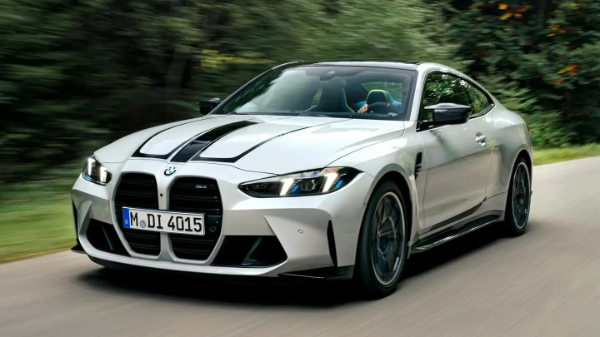
BMW is leading the charge, plowing €3.8 billion into a new battery hub in Shenyang — its largest R&D site outside Germany. The company even exports electric SUVs from China back to Europe, reversing traditional trade flows.
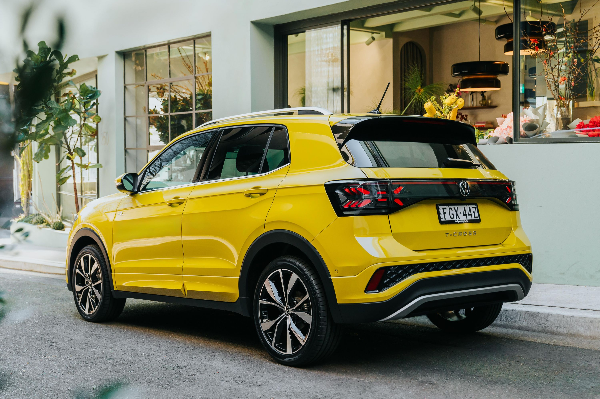
Mercedes-Benz has shifted its annual strategy summit to Beijing and begun developing China-only electric vehicles, while Volkswagen, which calls China its “second home market,” has forged partnerships with local tech companies to accelerate EV and software development.
Beyond cars, BASF has launched an €8.7 billion chemical complex — its biggest investment ever — and Bosch is expanding R&D in China while cutting jobs at home.
From 2020 to 2024, average German investment in the country hit €5.2 billion a year, well above pre-2020 levels.
Politics and Profits Collide
The German government has urged companies to “de-risk” from China, but its pleas have fallen largely on deaf ears. This weekend, Vice Chancellor Lars Klingbeil will visit Beijing to raise concerns, while Chancellor Friedrich Merz publicly warns carmakers about overreliance on Chinese markets and supplies.
Still, Berlin is wary of interfering in business decisions. “It’s not in our DNA,” quipped one official, echoing Germany’s free-market tradition. For manufacturers, the choice is stark: stay in China and chase profit, or pull back and absorb massive costs.
“De-risking is not just a commercial issue,” says Agatha Kratz of the Rhodium Group. “The alternative is a Europe where China dictates economic and foreign policy.”
Supply Chain Shock and Strategic Weakness
That warning is already taking shape. German carmakers recently faced production slowdowns after a chip shortage from Nexperia, a Chinese-owned firm in the Netherlands — a reminder of how fragile their supply chains have become. Meanwhile, exports to China are declining, even as production shifts eastward. Economists warn this could lead to a “creeping hollowing out” of Germany’s industrial capacity.
Some smaller firms have learned that lesson early. Laser technology company 4Jet, for example, began reducing exposure to China years ago, turning instead to India. CEO Jörg Jetter says China’s playbook — massive subsidies to dominate industries — made it too risky to rely on. “Politics is astonishingly naive,” he says. “It’s very transparent what they’re doing.”
Industry Wants Support — Berlin Hesitates
Business groups like VDA (automotive) and VDMA (engineering) say companies are ready to diversify — but need incentives, such as lower energy costs and reduced bureaucracy at home. However, a fragmented political landscape and tight fiscal budgets mean Berlin is struggling to offer meaningful support.
Chancellor Merz has set up a national security council and asked it to devise an economic security strategy, with early plans to diversify raw material supplies. But he’s made one thing clear: companies must bear the risk themselves. “That’s your risk if things go wrong,” Merz told executives last week. “It can happen very quickly.”
Stuck in the Slow Lane
For now, Germany’s “de-risking” drive remains more rhetoric than reality.
Executives argue they can’t decouple without state backing, while politicians hesitate to spend. The result is a dangerous status quo: the auto sector’s near-term profits are rising, but so is its strategic vulnerability.
As global tensions sharpen, the lessons are clear — yet largely unheeded. Germany’s carmakers have chosen the fast lane to China. Whether they can steer away before the road ahead turns perilous remains to be seen.
Partners